Buying your first caravan should be exciting, not overwhelming. But once you start browsing online or walking through a dealership, the choices stack up fast. Single axle or dual? Ensuite or no ensuite? On-road or off-road? Compact or full-size?
There’s no single “perfect” caravan for everyone. There’s only the right caravan for how you actually plan to travel, and working that out is easier than it seems.
Start With How You’ll Actually Use It
Forget the dream caravan trip to Cape York for a minute. Think about the trips you’ll realistically take in the next 12 months.
Are you planning weekend escapes to coastal caravan parks? Long highway trips up and down the east coast? Family holidays with the kids? Or maybe extended grey nomad-style touring once you retire?
Your realistic travel style determines almost everything else. A couple doing weekend trips to powered sites has very different needs than a family of four heading into national parks for a week at a time.
Many first-time buyers choose a caravan based on their dream adventures, rather than their actual travel habits. That’s how people end up with features they rarely use or compromises they didn’t need to make.
Finding the Right Size
Caravan size is often described in feet, but what really matters is internal space and how you’ll use it.
Compact Caravans
Compact caravans sound small until you realise it’s just you and your partner, mostly sleeping, cooking, and relaxing outside. For couples, an efficient layout can be a major advantage, especially when reversing into tight campsites or navigating through small towns.
Larger Caravans
Larger caravans feel massive until you add two kids, their gear, and a week’s worth of supplies packed in. Suddenly, the extra space feels essential.
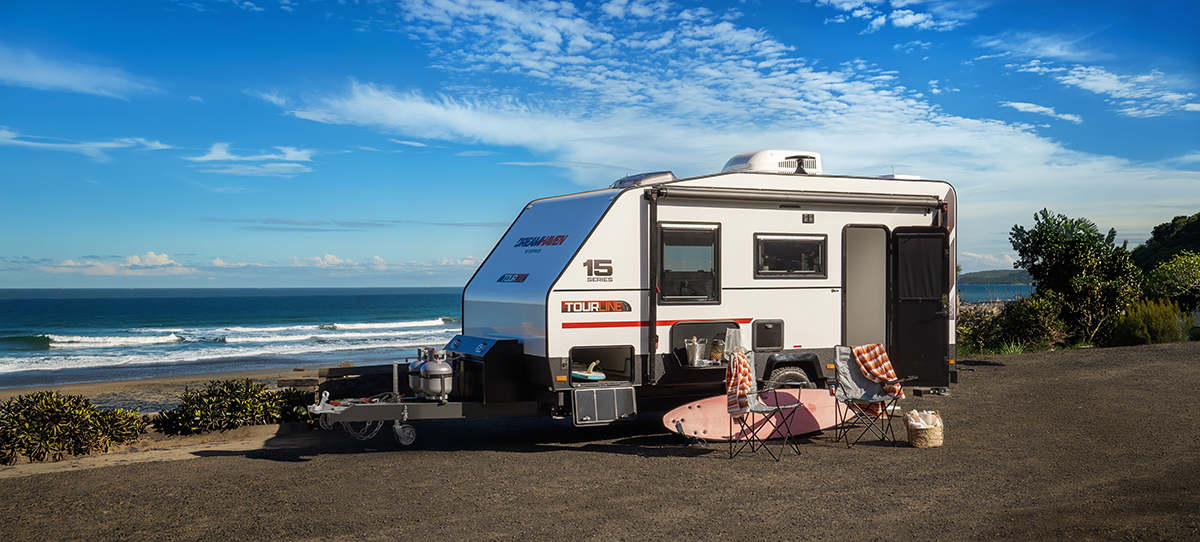
Internal length is what matters the most. External length includes the drawbar and any rear-mounted accessories, which don’t affect your living space. For example, our 15 Series small caravan with ensuite and 15ft caravan with ensuite both have an internal length of around 4.8 metres. That’s your actual living, sleeping, and cooking area, not just the total rig length you’re towing down the highway.
Think About Your Tow Vehicle
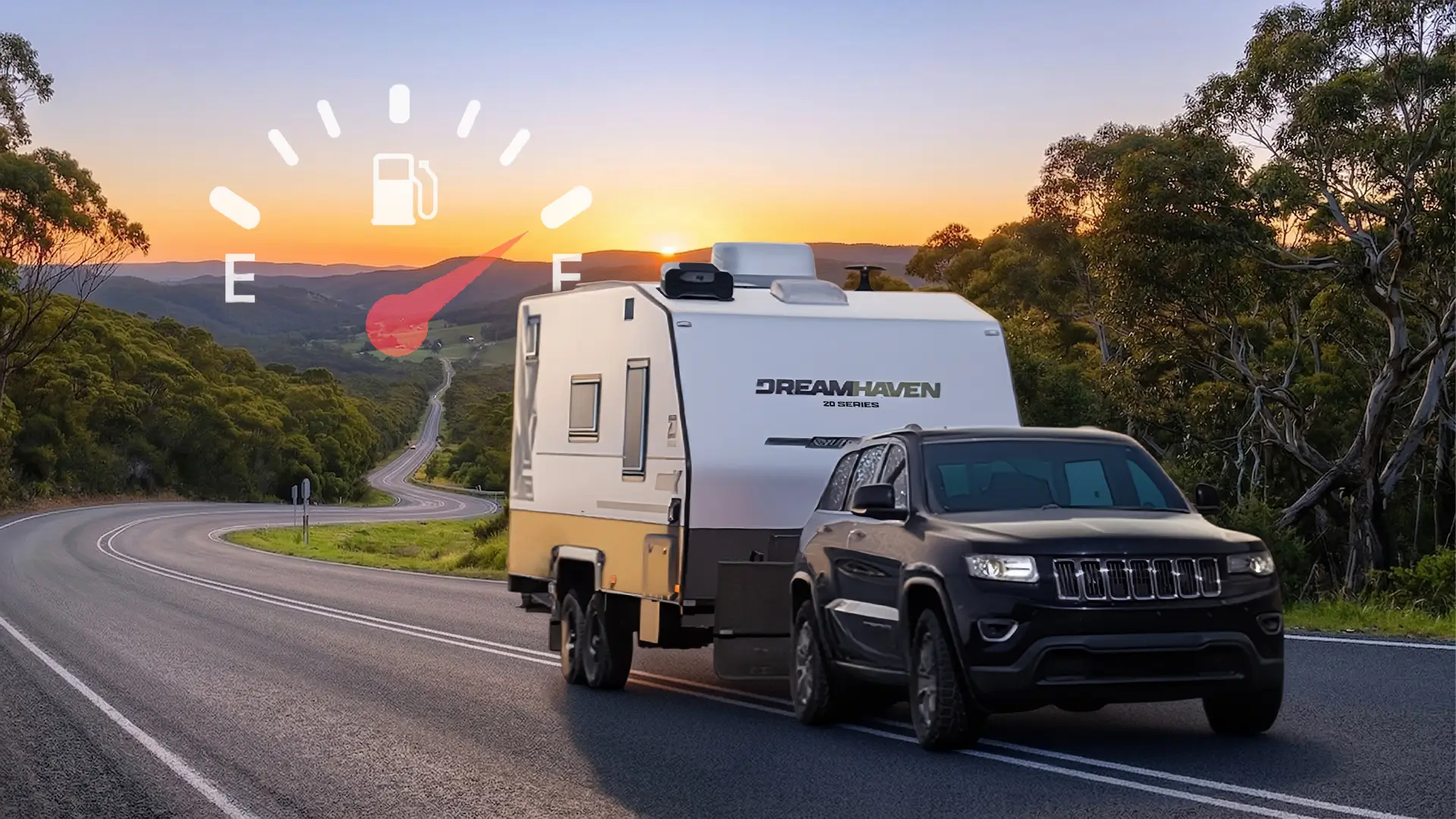
A ute might have a strong towing capacity on paper, but it’s important to consider how the vehicle performs under pressure. Pushing a vehicle to its absolute towing limit can be exhausting on a long trip. Sometimes, choosing a smaller caravan isn’t always a compromise; often it’s just a smarter and safer option for your car.
On-Road vs Off-Road: Match the Van to Your Destinations
Where you plan to travel determines the type of caravan you need.
On‑Road Caravans
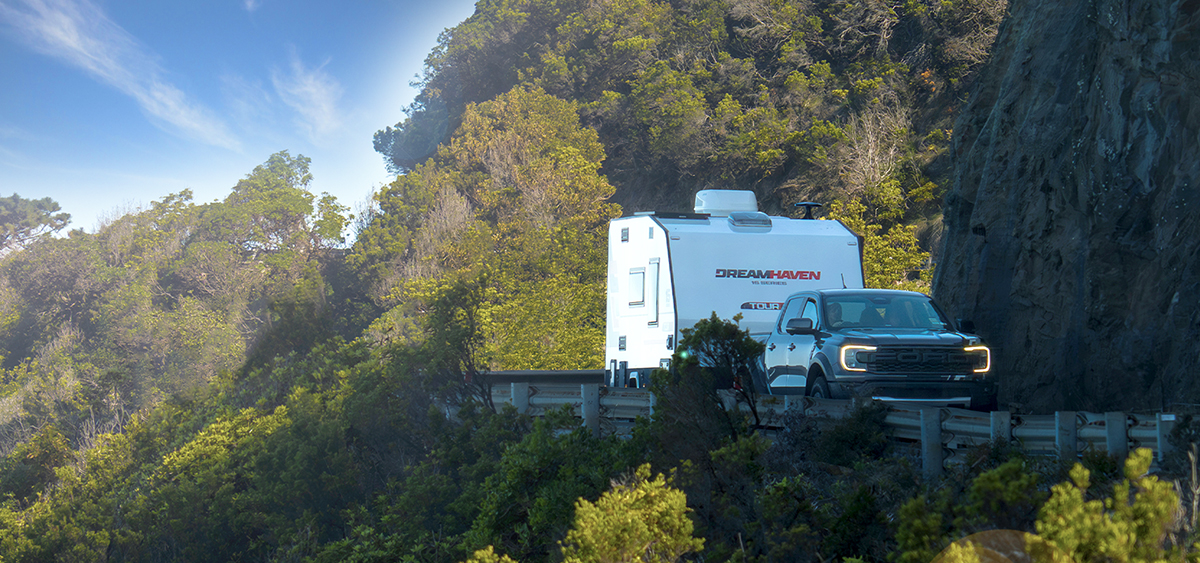
Ideal for travellers sticking to smooth-surfaced roads and well-maintained dirt roads and holiday parks. On-road caravans are more suitable for powered sites as they generally have smaller water tanks and standard battery setups. Those who love exploring coastal roads and wine country often opt for an on-road caravan where the journey is about the destination, not the obstacles. Our Dreamhaven Tourline range is designed for comfortable highway touring, with suspension tuned for bitumen and the durability to handle gravel access roads. These vans are the perfect match for traditional touring and coastal hopping where the roads are accessible and reliably surfaced.
Off‑Road Caravans
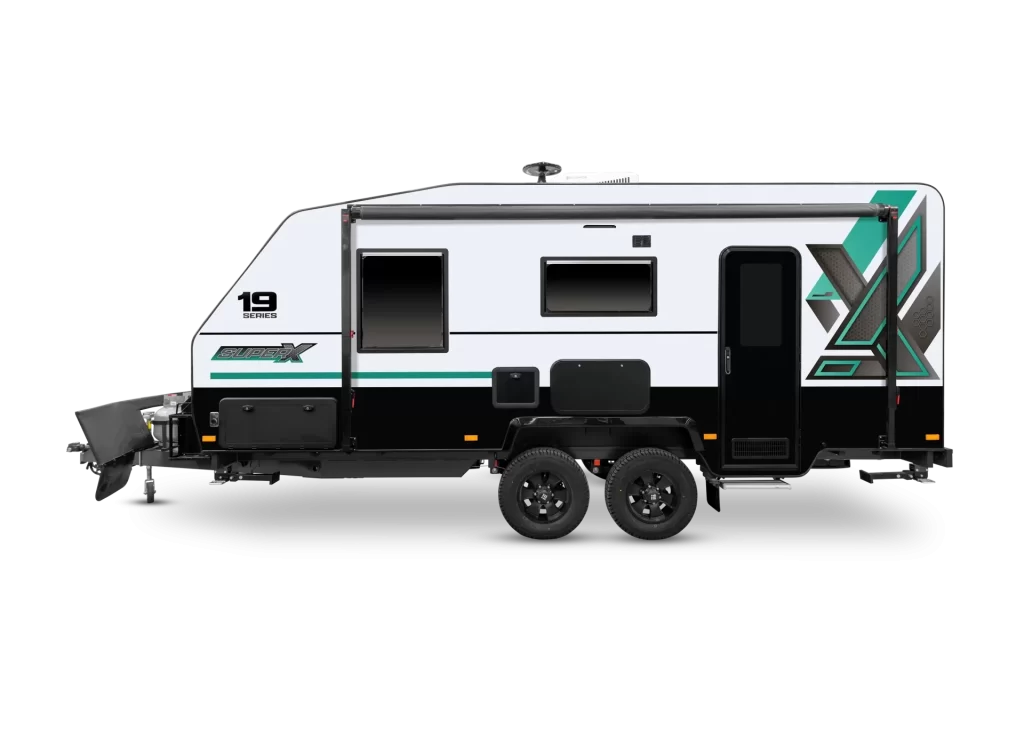
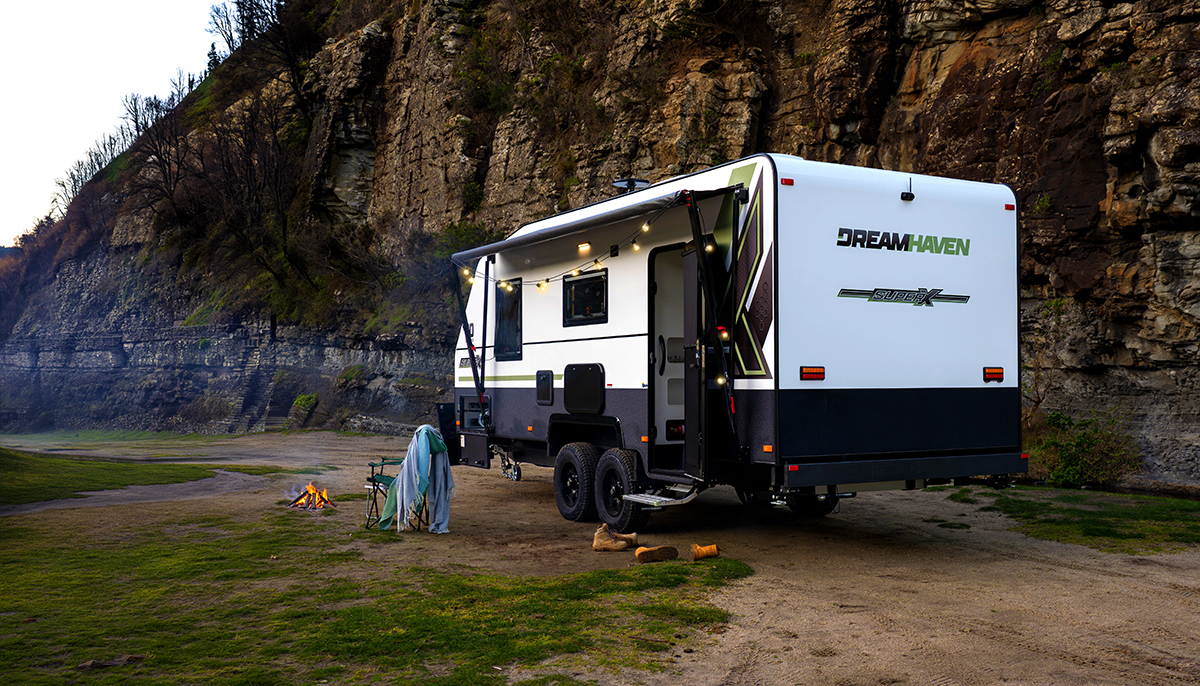
Designed for travellers who want to explore beyond the bitumen on well-graded dirt roads and more rugged terrain. Those who crave off-grid adventure benefit most from off-road caravans, and invest in them for their extensive water storage, powerful battery banks, and abilities to reach more remote areas.
At Dreamhaven, our off-road SuperX series delivers:
- Higher ground clearance
- Stronger construction
- All terrain tyres
- Airbag suspension on many models
Built for outback travel, these vans handle corrugations, uneven surfaces, and remote tracks with confidence. Keep in mind: if you’re planning remote bush camping and challenging tracks, it is important to ensure your off-road journey does not exceed the capabilities of your tow vehicle or the design limits of the caravan.
Layouts: What Actually Works for Your Group
Layout is where practicality matters most. Think about who’s travelling with you and how you’ll use the space.
Caravans for Couples
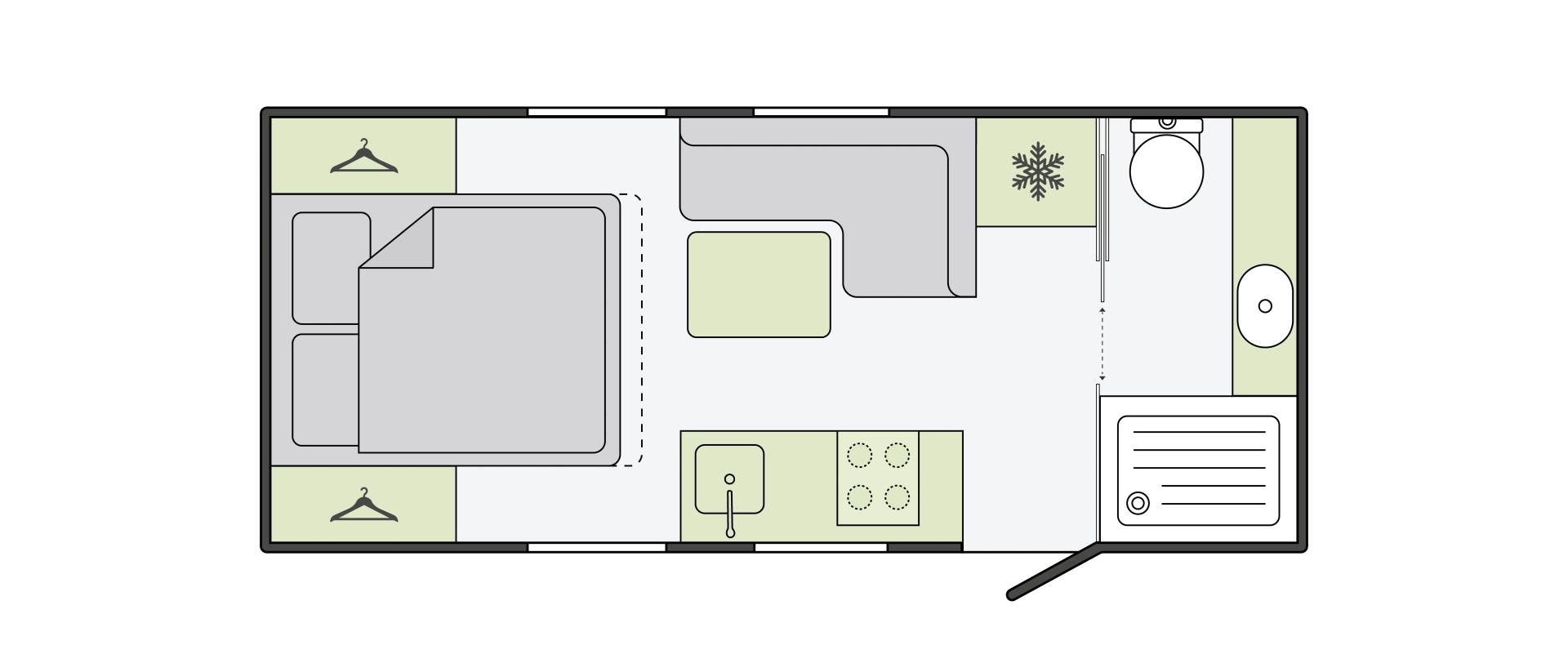
Just the two of you? You’ve got options.
Common layouts include:
- Island beds at the front, where you can access from both sides.
- East‑west beds across the width of the van.
- Convertible dinettes that double as sleeping space.
If you enjoy relaxing inside, a club lounge layout is ideal. Our 20 Series Tourline caravan with club lounge is built around this comfortable seating setup, which works well if you spend your evenings sitting, reading, entertaining, or unwinding after a long day.
Mid-size layouts, such as our 18ft caravan with ensuite or 19ft SuperX caravan, often hit the sweet spot for couples. You get a proper ensuite, comfortable kitchen space, and a roomy living layout without towing something huge.
Caravans for Families
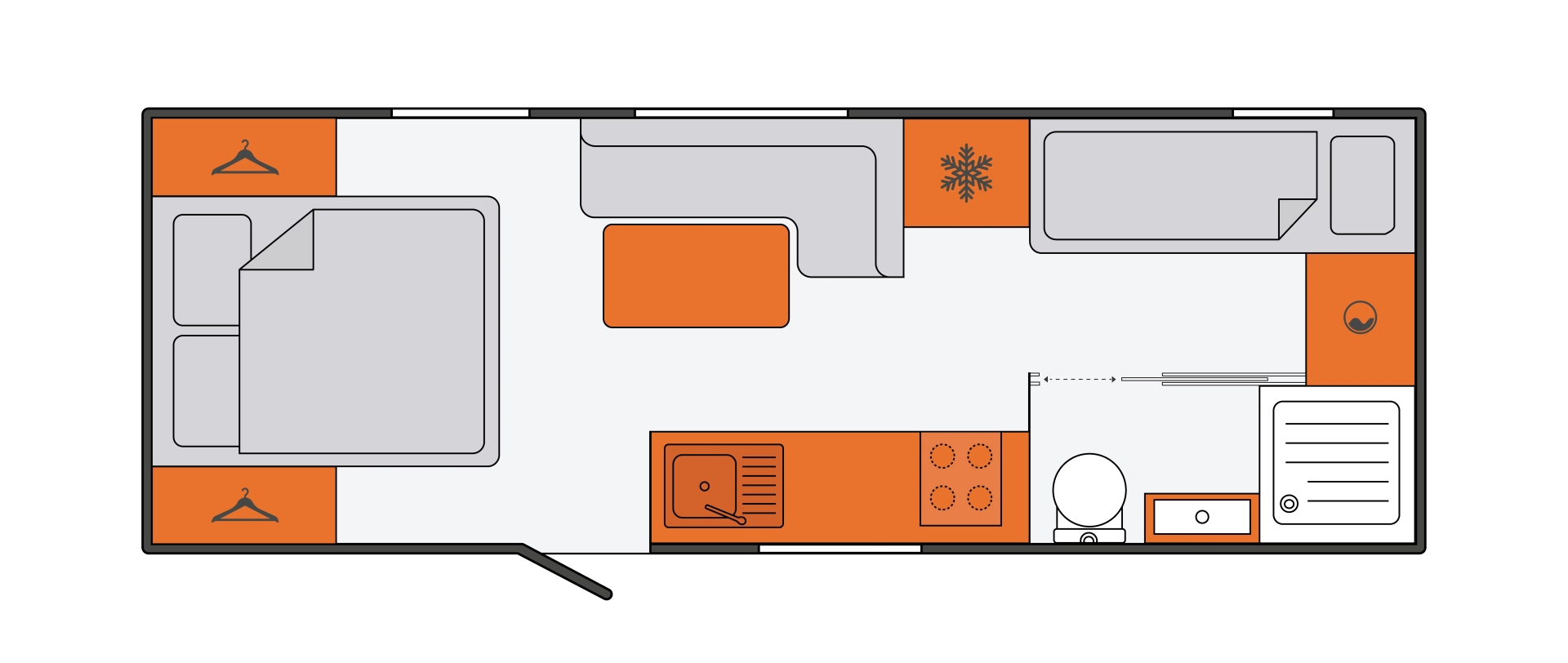
If you’ve got kids, bunks are non-negotiable. Our 21 Series Family Tourline caravan with bunks sleeps four comfortably, giving the kids their own dedicated space, and keeping the adults’ sleeping area separate.
Layout becomes critical with families. Consider how many beds you actually need and where they’re positioned. Bunks at one end and the main bed at the other gives everyone their own zone. It’s also a good idea to have enough living space for rainy days when the whole family is inside.
Think about the ensuite size too. A small ensuite is fine for couples who mainly use campground facilities. With kids, you’ll want something more substantial that can handle family bathroom routines.
Ensuite or No Ensuite?
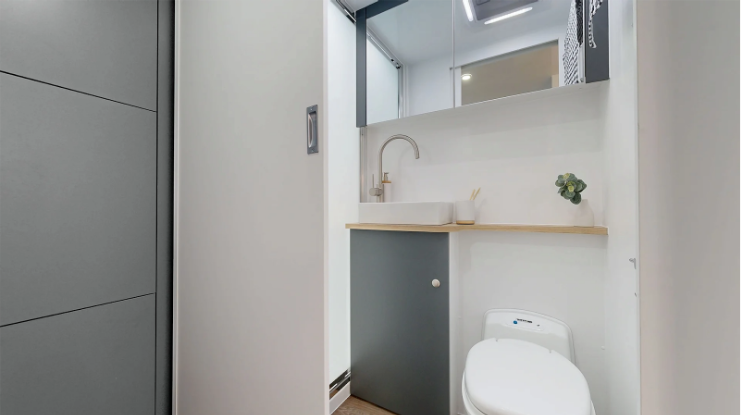
Having your own ensuite fundamentally changes how you travel.
A small caravan with an ensuite gives you independence from campground facilities. You’re not walking to the amenities block at 2am, queuing for showers, or worrying about cleanliness. Even a compact ensuite with a cassette toilet and small shower is a major upgrade over having none at all.
For families, an ensuite isn’t optional, but essential. Our 21 Series Family SuperX family caravan with bunks and ensuite gives you the space and facilities to be fully set up wherever you are, which is especially important when kids need the bathroom at unpredictable hours.
The trade-off is space. Every square metre dedicated to an ensuite is space you’re not using for living or storage. But most first-time buyers who skip the ensuite to save money end up wishing they hadn’t. Convenience wins almost every time.
New or Used Caravan: What First-Timers Should Consider
Deciding between a new and a used caravan seems straightforward financially, and buying a used caravan can offer value. But as a first-timer, buying used often means inheriting the previous owner’s maintenance history, without knowing what to look for.
New caravans come with a full manufacturer’s warranty and the peace of mind that everything’s built to current standards. You’re not inheriting mystery rattles, hidden structural issues, or outdated appliances that may soon need replacing.
If you’re buying new, you know exactly what you’re getting and how you’ll use it. Want solar panels? Upgraded suspension? Specific appliances? You can build it right from the start rather than retrofitting later.
The Appeal and Risks of Buying Used
A second‑hand caravan can save you money upfront, but only if you know what to look for. Common issues first-time caravan buyers easily miss include:
- Delamination
- Water damage
- Chassis rust
- Tyre age
- Appliance condition
- Poor DIY modifications
Overlooking these factors can turn a bargain into a significant expense. First‑timers often underestimate how much repairs can cost, so if opting for a used caravan, be sure to do your research first.
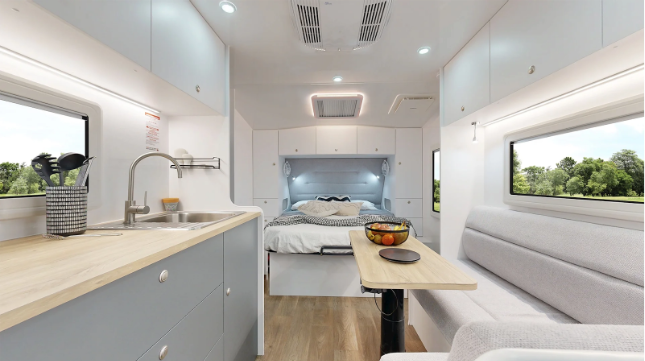
Caravan Features That Actually Matter, New or Used
When buying a caravan for the first time, don’t just focus on the premium finishes and aesthetics. Consider the build quality and practical features that genuinely affect how you travel.
Water Tank Capacity
Water tanks determine how long you can stay off-grid. Larger capacity means more freedom, especially if you’re planning extended trips away from town water or free camping. Most entry-level vans carry around 80-100 litres, while larger family vans might have 150-200 litres or more. Consider which option suits your travel style.
Off-Grid Power
A solid off-grid power setup enables extended stays in remote locations without access to traditional external power or water connections. To enhance your off-grid suitability, look for:
- At least 100–120Ah of battery capacity and enough solar panels to recharge to capacity during peak sunlight periods.
- Solar panels capable of recharging that capacity daily.
- An inverter to manage your 240V internal electrical requirements.
This keeps your lights, fridge, water pump, and devices running for longer while you’re away from the grid.
Air Conditioning
Air conditioning transforms summer camping, especially in northern Australia, where nights stay hot. It requires mains power or a high capacity off‑grid system, but the comfort difference is enormous. Plus, due to its superior thermal properties, a full composite caravan will typically stay cooler for longer once the AC is turned off.
Storage Space
Storage space becomes a problem faster than you expect. When comparing vans, think about where your stuff will go.
- Spacious Tunnel Boots: These are the “hidden gems” of caravan design. Located typically at the front of the van, they provide a secure, through-and-through space for long or bulky items like folding chairs, tables, and fishing rods.
- A-Frame Toolboxes: Essential for heavy-duty storage. Look for models with a dedicated toolbox on the A-frame (often including Jerry can holders), as this is the ideal spot for tools, gas bottles, or recovery gear that you want to keep outside the main cabin.
- Floor‑Level Storage: Easily access heavy or fragile items like tools, cookware and crockery.
- Overhead Cupboards: A convenient space for clothes and light gear.
- Under‑Bed Storage: House bulky items you don’t need constant access to.
- External Compartments: A separate and secure area for dirty or wet items.
Ample storage isn’t a luxury; it’s what keeps your living area usable on longer trips.
Sleeping Arrangements
Sleeping comfort is one of the most important factors for an enjoyable caravan trip.
When evaluating a layout, consider how the beds will function in your daily routine:
- Bed size and layout suit the people who will be using them
- Bed orientation — is it an island or east‑west design?
- Can both people access the bed easily?
- Bunk size for kids or teenagers
- Whether convertible beds suit your lifestyle
Keep in mind: A caravan might technically “sleep six”, but if two of those beds are sized for toddlers, it won’t work for older kids.
Suspension and Axles
Suspension and axles affect how the van tows, what roads you can handle, and how much weight you can carry. Single axle caravans are typically lighter, cheaper, and easier to manoeuvre, but they generally have lower weight limits, and you’re relying on one axle and two tyres.
Dual axle caravans distribute weight across four tyres, enabling enhanced towing stability and capacity to handle heavier loads. They are often the preferred choice for larger families or extended trips where more gear and supplies are required. Match this decision to both your tow vehicle’s capability and where you’re planning to travel.
Entry Points Into the Dreamhaven Range
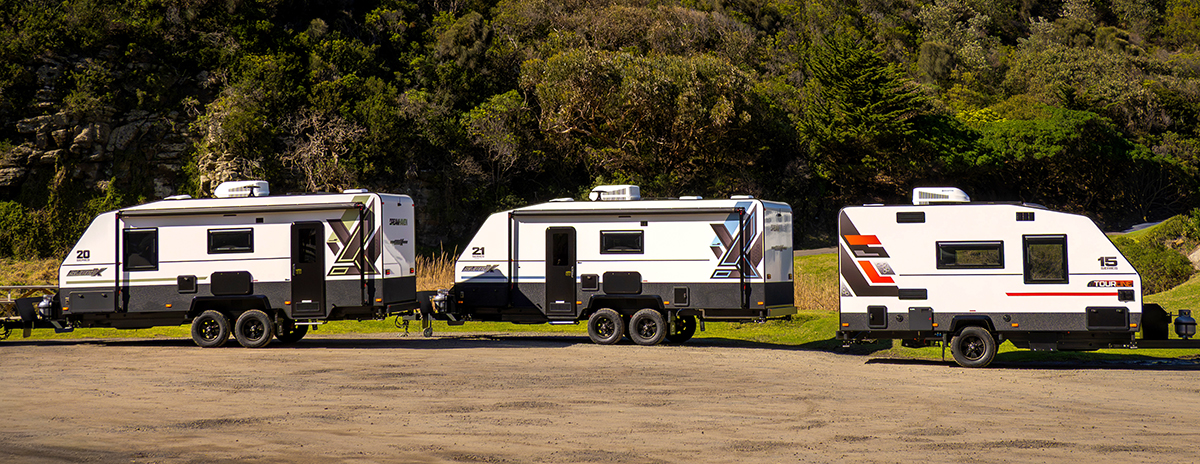
Our range, spanning both Tourline and SuperX models, is designed to give first-time caravan buyers genuine options at different price points and travel styles.
- The 15 Series gives you a compact, manageable entry into caravanning. It’s perfect for couples starting out who want something that won’t intimidate them on the road.
- Step up to the 18 Series, and you get more internal space without jumping to a dual-axle setup. Still manageable, still efficient to tow, but with extra space to spread out.
- The 19 and 20 Series models hit that sweet spot of space and capability. You’ve got dual axles for stability and weight capacity, proper ensuites, and layout options that work for extended trips.
- For families, the 21 Series Family models include configurations that give you the bunks, space, and facilities you need without going overboard on size.
- The all new 22 Series models are designed for travellers who want the ideal balance between open-plan social living and a private master retreat.
Keep in mind: no one size fits all, so it’s important to choose a caravan that supports your lifestyle and travel goals.
Don’t Buy for “One Day”
A frequent mistake first-time buyers make is choosing a caravan for the trip they might take one day instead of the trips they’ll take regularly.
You don’t need off-road capability for one hypothetical outback trip if you’re spending every other weekend at coastal caravan parks. You don’t need six berths if it’s just you, your partner, and occasionally one friend joining you.
Buy for your realistic, regular use. You can always hire or borrow something different for that one special trip.
Pick the Right Match
Choosing your first caravan isn’t about finding the perfect one. It’s about finding the one that matches how you’ll genuinely use it.
Think about your realistic trips, your tow vehicle’s capabilities, and who’s actually coming along. Be honest about whether you need off-road capability or just sealed-road comfort. Consider whether an ensuite matters enough to sacrifice living space and how much storage you’ll need for all your belongings.
And remember, this is your first caravan, not necessarily your last. As you travel, you’ll learn what works and what doesn’t. You’ll figure out what you need and which features matter most in the real world. Starting with something sensible that matches your actual needs is smarter than stretching for features you think you might want or use on occasion.
Find Your Match at Dreamhaven
Choosing your first caravan is about matching the van to your actual travel plans, not just aspirational ones. Our range is built around that principle. The Tourline series handles sealed roads and established campgrounds with comfort and practicality, while the SuperX series adds capability for gravel roads, corrugated tracks, and venturing further off the beaten path.
Have a look through our range of small caravans, family caravans, touring caravans, and off-road caravans. This exciting journey starts online, but it ends with walking through actual vans on the shop floor. Open the cupboards, check how the kitchen bench space works, sit on the lounge, lie on the bed. What looks good in photos might not suit how you move or where you need storage. Compare Dreamhaven models online, and then find your local dealer to explore them up close and in person to find what works for you.